Fastest Lift in the World: Top 6 Ranked
The fastest lifts in the world show how far vertical transportation technology has advanced. With the increase in height of skyscrapers, elevators are required to move at high speeds, in a smoother and more efficient way than ever. There are now advanced materials, aerodynamic cabin designs, and magnetic control systems that have enabled lifts to attain exceptional speeds that had seemed impossible previously. The list below looks at the top 7 elevators in the world, their speed, their engineering background, and their location. These lifts explain how elevator technology continues to transform movement within supertall buildings.
Top 7 Fastest Elevators in the World
These 7 systems are the highest level of vertical engineering, with speed, stability, and safety coming together to produce unparalleled elevator functionality.
- 1. Guangzhou CTF Finance Centre – 21 m/s (75.6 km/h)
- 2. Shanghai Tower – 20.5 m/s (74 km/h)
- 3. Taipei 101 – 16.8 m/s (60.6 km/h)
- 4. Lotte World Tower Elevator – 10 m/s
- 5. Yokohama Landmark Tower – 12.5 m/s (45 km/h)
- 6. One World Trade Center – 10.16 m/s (37 km/h)
- 7. Burj Khalifa – 10 m/s (36 km/h)
1. Guangzhou CTF Finance Centre – 21 m/s (75.6 km/h)
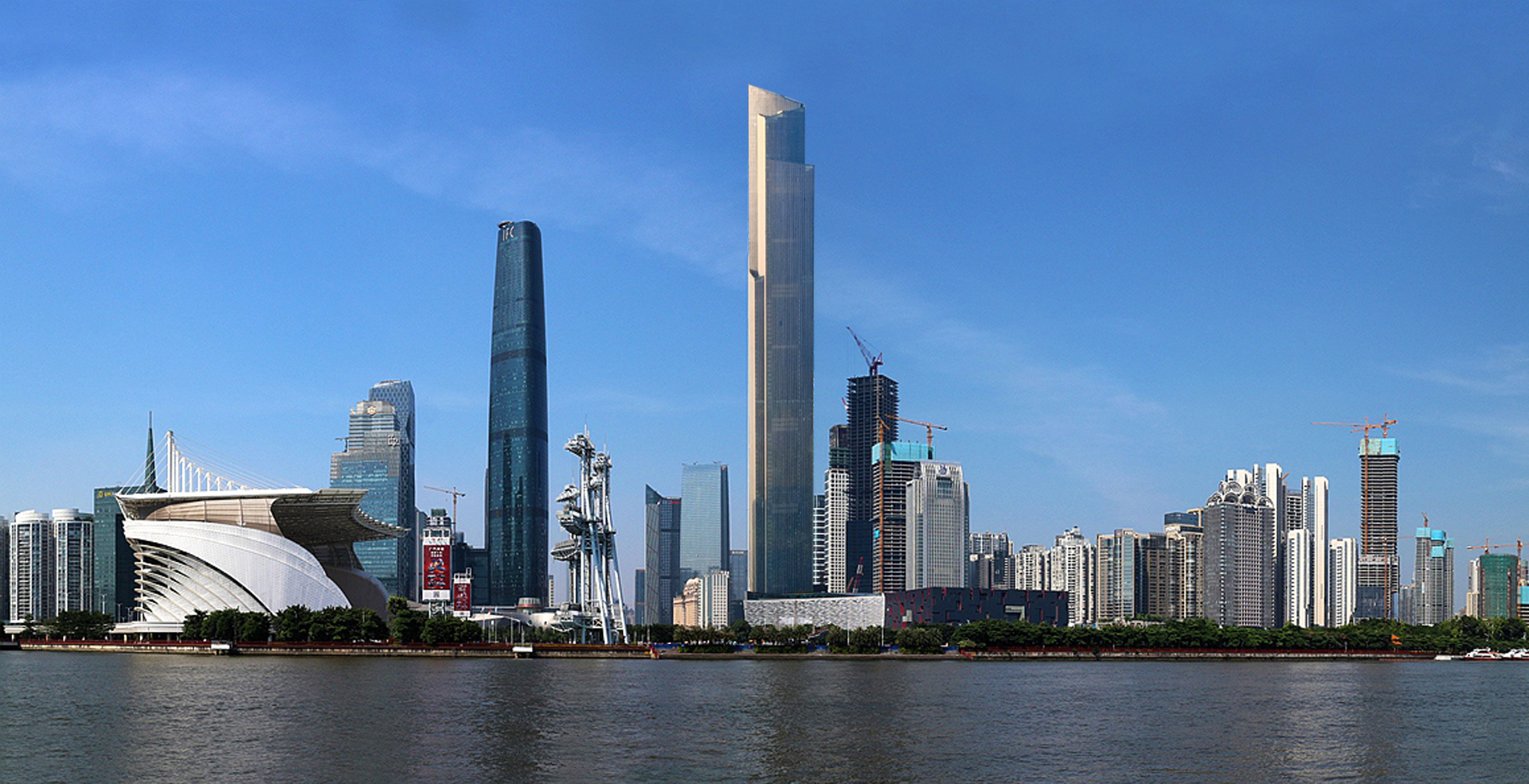
The Guangzhou CTF Finance Centre is currently the fastest-lift-in-the-world with an immense speed of 21 metres per second. This mixed-use tower has 111 stories and a total height of 530 metres above the ground with offices, residences, a luxury hotel, and a large retail area. The building has two special lifts with high speed that move passengers between the building entrance and the Rosewood Hotel on the 95th floor. The system ran at 20 m/s initially at opening in 2016, but was upgraded in 2017, with a new record speed and outperforming Taipei 101 and Shanghai Tower.
Read More: Top 7 Richest Cities in the World
2. Shanghai Tower – 20.5 m/s (74 km/h)
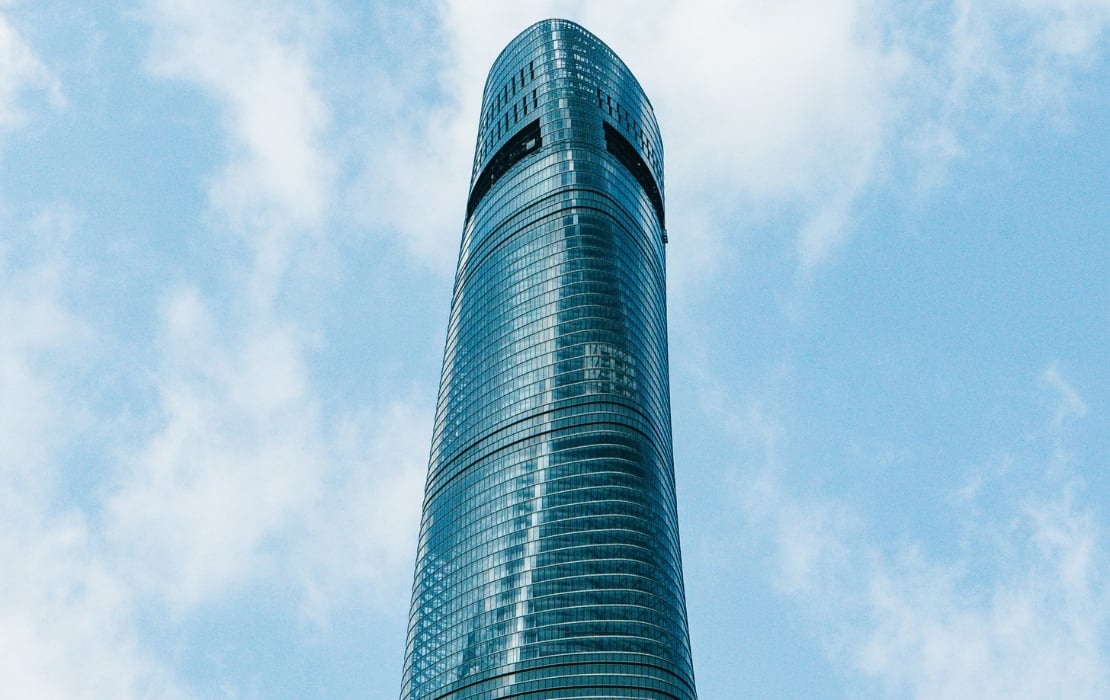
Shanghai Tower used to be the fastest-lift-in-the-world before it was surpassed by Guangzhou CTF. These elevators serve the second-tallest building in the world, at 632 metres, at a speed of 20.5 metres per second. The tower has offices, restaurants, leisure areas, retail areas, and the famous J Hotel on the 120th storey of the tower. It has high-speed lifts that speed at tremendous heights and cover long distances with great stability because of the aerodynamic cabin shaping and sophisticated braking systems. Shanghai Tower, though second, is a standard in elevator engineering.
Read More: World's Most Expensive Lamborghinis
3. Taipei 101 – 16.8 m/s (60.6 km/h)

The Taipei 101 had the fastest-lift-in-the-world record for 12 years, attributed to the lifts' ability to go 16.8 metres per second. Taipei 101 was the tallest building from 2004 to 2009, when Burj Khalifa topped out. Its elevators were designed to take the visitors to observation decks in 81 stories within a span of 37 seconds. Pressure control systems stabilise the cabin and reduce ear discomfort.
Read More: Top 7 Most Expensive Yachts
4. Lotte World Tower Elevator – 10 m/s
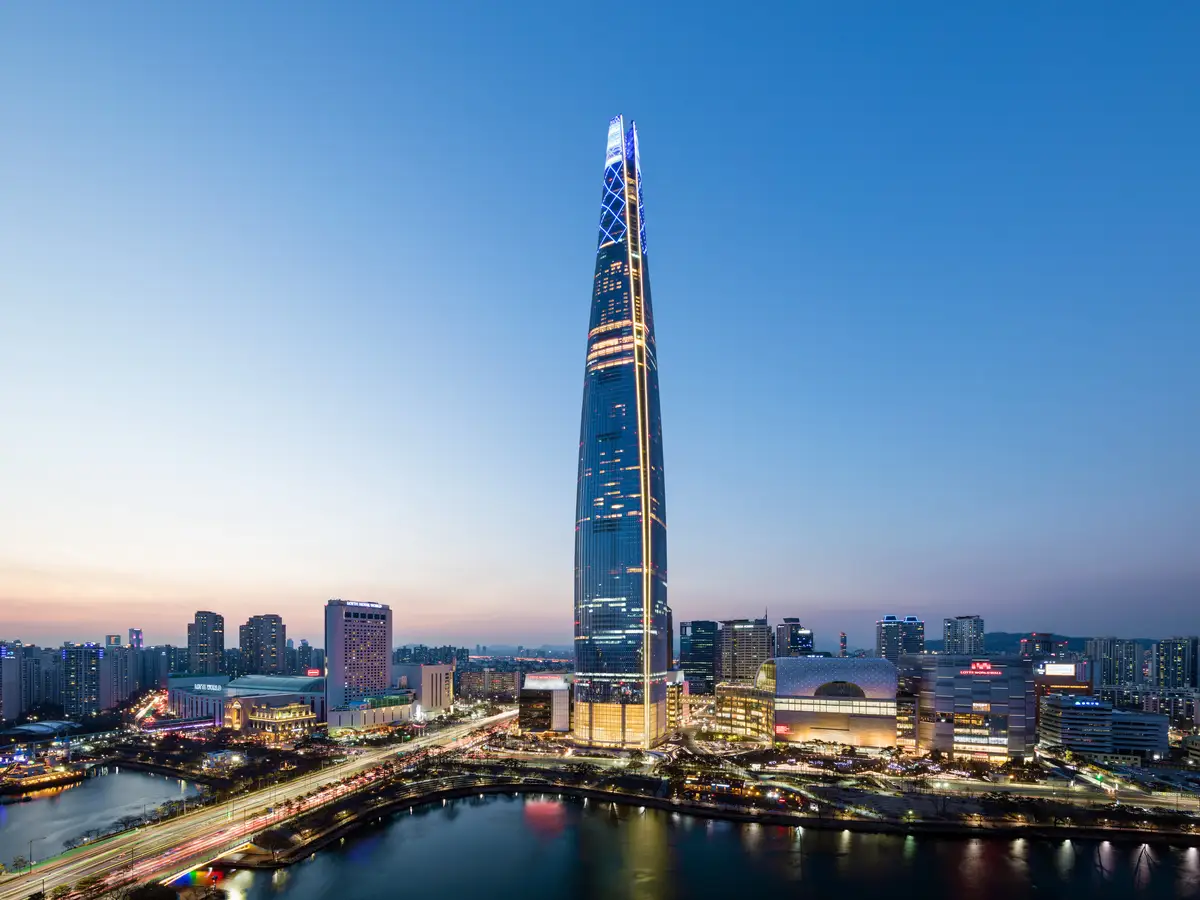
The Lotte World Tower elevator in Seoul is a two-story elevator, which is celebrated because of its speed, capacity, and design, which is immersive. It has a speed of 10 metres per second and transports passengers up and down the tower, which is 555 metres, and takes about one minute to complete the trip. The ride features a virtual-reality visual experience in the form of interior panels, which are projected by showing animated city landmarks as the cabin travels upwards. The lift is certified by Guinness World Records, and it has a capacity to carry 54 passengers simultaneously, thus making it one of the highest-capacity high-speed elevators that have ever been built. It is unique due to its engineering productivity and design, which is experience-oriented.
Read More: Richard Mille Highest Price Watches
5. Yokohama Landmark Tower – 12.5 m/s (45 km/h)
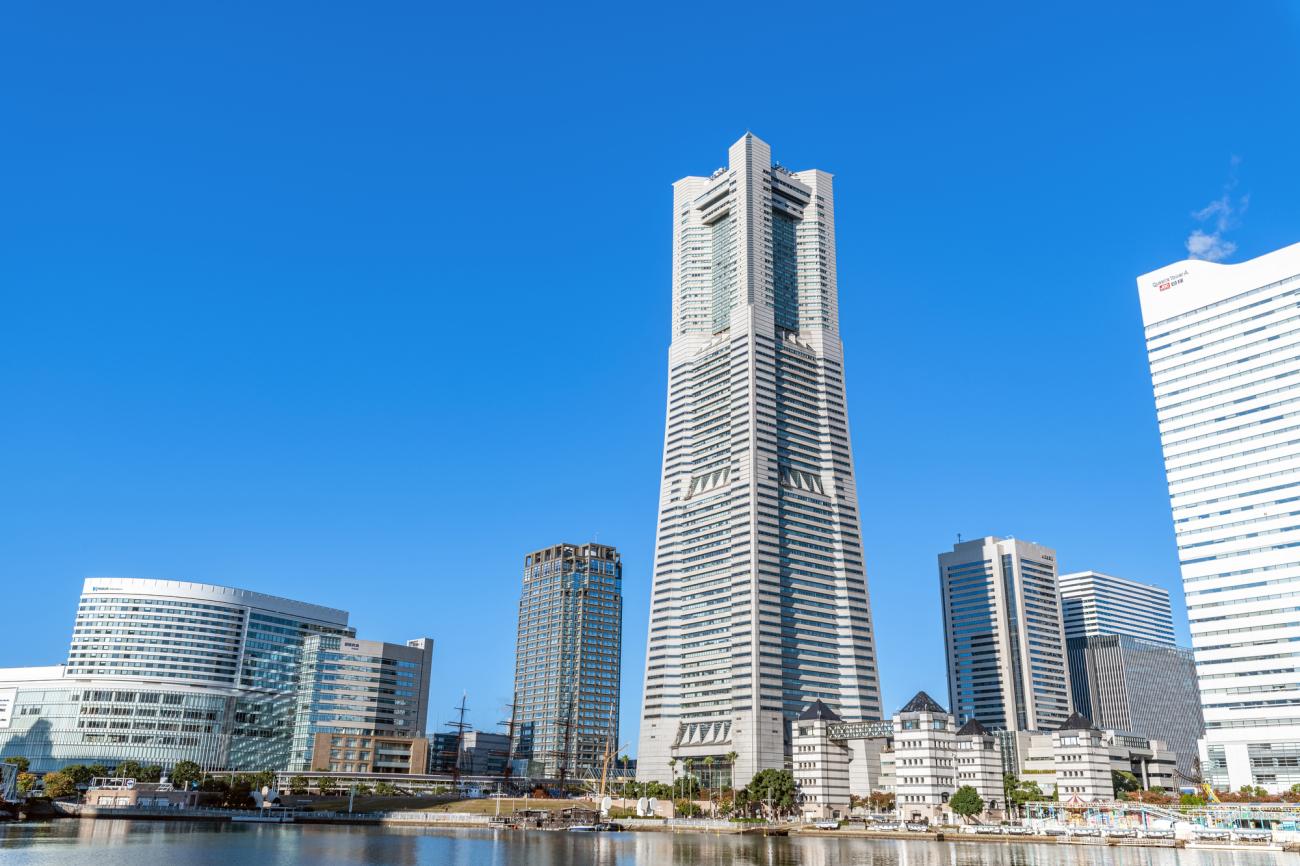
The Yokohama Landmark Tower used to have the fastest lift in the world until Taipei 101 superseded it. Even though the tower was finished at the beginning of the 1990s, its lifts move at a remarkable 12.5 metres per second. The tower, which is almost 300 metres high, also has offices, retail floors, and a luxury hotel that occupies the top storeys. It takes almost 40 seconds to reach the 69th-floor observation deck. Although newer towers have overtaken it, Yokohama Landmark Tower remains the world record holder in the quickest descent.
Read More: Most Expensive Alcohol
6. One World Trade Center – 10.16 m/s (37 km/h)

The elevators of One World Trade Center are the fastest in the Western hemisphere, with a speed of 10.16 metres per second. The structure is 541 metres high, becoming the tallest in the US. The lifts initially had a speed of 9.1 m/s, but the speed was further increased to suit the growing number of visitors to the observatory levels. The total number of elevators (73) makes it efficient and high throughput, to work effectively even in the time of day when the business district is among the busiest in the world.
Read More: The Most Expensive Ferrari
7. Burj Khalifa – 10 m/s (36 km/h)
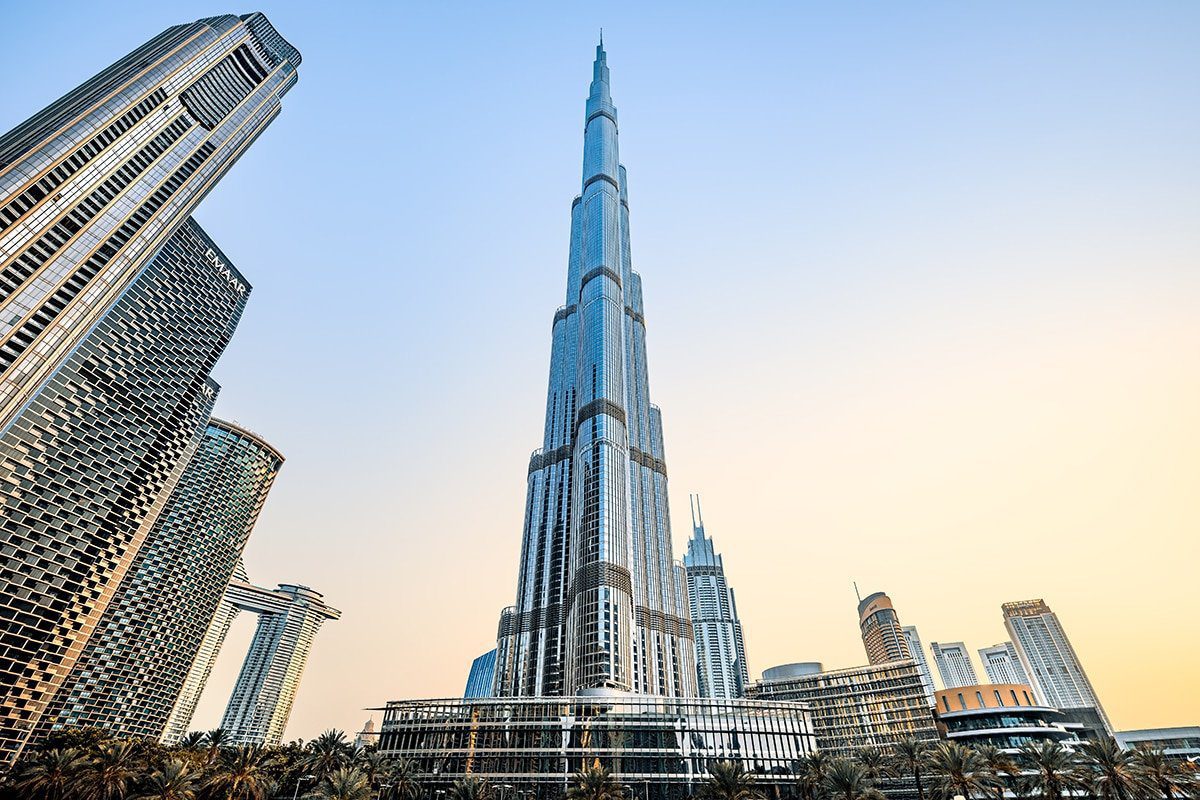
Burj Khalifa does not have the fastest lift in the world. Its twin-level lifts travel at 10 metres per second, and bring tourists the distance of 504 metres, the former world record of the maximum length of the elevator route. The 57 lifts in the tower facilitate movement between offices, apartments, and the Armani Hotel in the lower level. Burj Khalifa is not the fastest in the world anymore; nevertheless, it is the icon of vertical engineering and elevator design.
Read More: Top 7 Most Expensive Watch Brands
Conclusion
The fastest lift in the world is a result of the ongoing competition to come up with taller, smarter, and more efficient skyscrapers. The elevator on this list is a breakthrough in terms of speed, stability, and safety, which has been made possible by aerodynamic cabins, advanced motors, and precise control systems. With the ongoing growth of the global cities, there is a propensity that the speed of the elevators may continue to rise, and engineering limits will be challenged once again. These six high-speed lifts show how the use of technology has continued to transform the vertical travelling option, making people fly up and down some of the tallest buildings in the world with high efficiency and comfort never before seen in the history of the world.
Read Also: